

The Hidden Costs of Manual Silo Inventory Checks
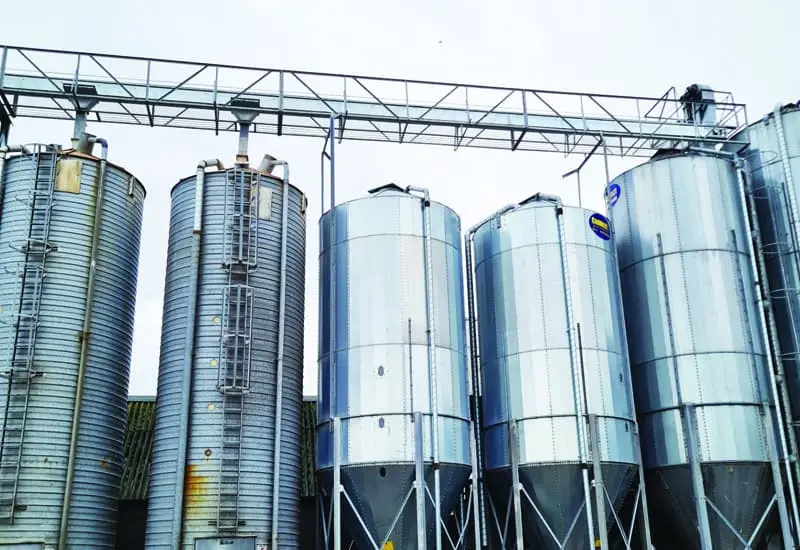
For many feed mills, checking silo levels is simply part of the daily routine. But manual silo inventory checks can come with hidden costs that are easy to overlook.
Employee time, physical access, inaccurate records, and unexpected inventory shortages can all affect the efficiency of a feed mill. As operations grow and technology evolves, finding simpler ways to manage silo inventory can make a meaningful difference.
What Is Manual Silo Inventory?
Manual silo inventory involves physically checking the amount of material remaining in a silo and recording that information for future use.
Depending on the operation, this may involve climbing or accessing the silo, taking a measurement, recording the result, and communicating the information to the person responsible for inventory or ordering, double checking for mistakes, and logging the data.
While this process can work, it requires time, precision and consistent attention.
1. Manual Inventory Checks Take Time
One of the most obvious costs of manual silo inventory is employee time.
A single measurement may only take a few minutes. But when a feed mill has multiple silos that need to be checked regularly, those minutes can quickly add up.
Employees may need to:
- Access individual silos
- Take inventory measurements
- Record measurements
- Communicate inventory levels
- Repeat the process throughout the week
That is also time that could otherwise be spent on other important mill operations.
2. Physical Silo Access Adds Another Step
Checking inventory manually can also require employees to physically access silo equipment.
Whenever a measurement requires climbing or working around elevated equipment, the process becomes more involved than simply checking a number from a remote location. The more employees that are climbing for measurements, the risk for falling and injury becomes statistically higher than those who monitor remotely.
Silo monitoring technology can help reduce the need for routine physical access by providing operators with inventory information remotely.
3. Manual Records Can Become Outdated
Inventory information is only useful when it accurately reflects what is currently in the silo.
A measurement recorded yesterday may not accurately represent today’s inventory after material has been used or delivered.
Manual records can also be affected by:
- Missed measurements
- Recording mistakes
- Miscommunication
- Outdated information
- Inconsistent measurement schedules
More accessible inventory data can make it easier for operators to work with current information.
4. Low Inventory Can Become an Emergency
One of the biggest challenges with manual silo inventory management is discovering that inventory is running low too late.
If silo levels are only checked periodically, a shortage may not be noticed until there is already a need to reorder.
That can lead to rushed purchasing decisions, unexpected deliveries, or disruptions to normal operations.
Regular access to silo levels gives operators more information when planning inventory and placing orders.
5. Manual Checks Can Make Ordering More Reactive
Good inventory management depends on knowing what is available and what will be needed next.
When operators have current silo level information, they can make ordering decisions based on actual inventory rather than estimates or outdated records.
This can help feed mills move from reactive ordering toward more informed inventory planning.

When Traditional Methods Work, Keep Them
Every feed mill operates differently, and we understand that not every operation wants to completely change the way it measures silo inventory, regardless of technological advancements.
For many businesses, manual measurements are a tried-and-true part of the job. Operators have used these methods for years, and they have worked well enough to become a familiar and dependable part of daily operations.
If your team prefers to continue physically measuring silos, BinVoice offers a way to modernize the record-keeping process without requiring you to change the way you take measurements.
Instead of replacing your existing workflow, BinVoice can work alongside it.
Operators can continue taking measurements using their preferred method and then use the BinVoice app to record those measurements by voice. This can help reduce the time spent entering information manually, minimize transcription errors, and make inventory data easier to record and access.
In other words, you don’t necessarily have to change how you measure to improve how you track your measurements.
For operations that want to continue using traditional measurement methods while reducing the time, manpower, and potential for human error involved in recording inventory data, BinVoice provides a more flexible approach.

A Simpler Approach to Silo Inventory Management
For operations ready to move beyond manual measurements, automated silo monitoring can provide another way to access inventory information without requiring employees to physically check every silo.
LVLogics’ SiloSpi technology is designed to make silo inventory monitoring simpler by allowing operators to monitor their silos remotely.
Whether an operation chooses to automate its measurements or simply wants a faster way to record them, the goal is the same: make inventory management easier without disrupting the way your team works.

Two Ways to Simplify Silo Inventory
Keep your existing process:
Continue manually measuring silo levels and use BinVoice to quickly record and organize the data.
Automate the measurement process:
Use SiloSpi to remotely monitor silo levels and reduce the need for routine physical measurements.
Both approaches can help feed mill operators spend less time dealing with inventory paperwork and more time focused on running the mill. They are often used together based on the needs of the individual mill. Smaller silos on site will often still be measured traditionally, while using BinVoice to automatically voice record measurement, and the upload company-wide instantly. Larger mills, those exposed to more high-risk climbing or weather conditions, will often benefit from installing a SiloSpi in order to have 100% remote visibility available operation wide instantly. In combination, these technologies provide a safer and more responsible way to measure bulk inventory.
Learn More About Silo Monitoring
Discover how LVLogics can help simplify feed mill inventory management with SiloSpi and BinVoice. Contact us for a Free Demo and Consultation to find the best Inventory Monitoring Solution for your operation.